Filosofía occidental: c. 1600-c. 1900

Humanidades / Filosofía / Historia de la filosofía occidental / Filosofía occidental: c. 1600-c. 1900 (75)

Libros Eliminar filtro Humanidades Eliminar filtro Filosofía Eliminar filtro Historia de la filosofía occidental Eliminar filtro Filosofía occidental: c. 1600-c. 1900 Eliminar filtro Quitar filtros
  • Temor y temblor
    Soren Kierkegaard
    ¿Qué sucede cuando la fe exige aquello que la razón y la moral parecen condenar? A partir del relato bíblico de Abraham, dispuesto a sacrificar a su hijo Isaac por mandato divino, Søren Kierkegaard explora el conflicto entre la obediencia a Dios y los principios éticos universales. En Temor y temblor, publicado en 1843, el filósofo danés construye una de las reflexiones más pro...
    Disponible

    15,08 €

  • Crítica de la razón pura
    Immanuel Kant
    ¿Y si conocer el mundo dependiera tanto de la mente como del mundo mismo? Kant pregunta qué hace posible el entendimiento humano y dónde termina su autoridad.Publicada por primera vez en 1781, Crítica de la razón pura investiga los fundamentos y los límites del conocimiento. Kant sostiene que el conocimiento comienza con la experiencia, pero no surge únicamente de ella: la ment...
    Disponible

    27,39 €

  • Los ensayos de Arthur Schopenhauer: La sabiduría de la vida
    Arthur Schopenhauer
    ¿Pueden la riqueza o la admiración hacernos felices si no estamos a gusto con nosotros mismos? Schopenhauer se pregunta qué merece la pena perseguir cuando las promesas del prestigio y las posesiones no se cumplen.En Los ensayos de Arthur Schopenhauer: La sabiduría de la vida, Arthur Schopenhauer reflexiona sobre el bienestar humano a partir de tres distinciones fundamentales: ...
    Disponible

    20,77 €

  • The Essays of Arthur Schopenhauer; Studies in Pessimism: Large Print
    Arthur Schopenhauer
    What if the pursuit of happiness keeps us dissatisfied? Schopenhauer asks readers to look beyond comforting promises and examine the desires that drive everyday life.In Studies in Pessimism, Arthur Schopenhauer brings his unsparing intelligence to suffering, human nature, and the expectations we place on the world. These essays question the belief that pleasure, success, or pro...
    Disponible

    20,82 €

  • The Essays of Arthur Schopenhauer: The Wisdom of Life
    Arthur Schopenhauer
    Can wealth or admiration make us happy if we are unhappy in ourselves? Schopenhauer asks what remains worth pursuing when the promises of status and possessions fall short.In The Wisdom of Life, Arthur Schopenhauer considers human well-being through three central distinctions: what a person is, what a person has, and how a person is regarded by others. From this simple framewor...
    Disponible

    20,82 €

  • Know the Truth: A Critique on the Hamiltonian Theory of Limitation: Large Print
    Jesse Henry Jones
    Is the infinite beyond human understanding—or have philosophers drawn the boundaries of knowledge too narrowly?In Know the Truth: A Critique on the Hamiltonian Theory of Limitation, Jesse Henry Jones disputes Sir William Hamilton’s influential account of the limits of human thought. Hamilton held that knowledge is confined to the conditioned and finite. Jones challenges that re...
    Disponible

    27,47 €

  • The Advancement of Learning: Large Print
    Francis Bacon
    What keeps knowledge from growing: a lack of answers, or a reluctance to question what we already believe?Published in 1605, Francis Bacon’s The Advancement of Learning makes a searching case for the value of knowledge and the need to reform its pursuit. Addressed to King James I, the work defends learning against its detractors while examining the habits that hold it back: exc...
    Disponible

    27,47 €

  • A Treatise Concerning the Principles of Human Knowledge
    George Berkeley
    What if the world is real, but not made of matter existing apart from every mind? Berkeley turns an everyday act of perception into a challenge to our deepest assumptions.First published in 1710, A Treatise Concerning the Principles of Human Knowledge argues that the objects we perceive are ideas, not evidence of an unknowable material substance behind experience. George Berkel...
    Disponible

    20,82 €

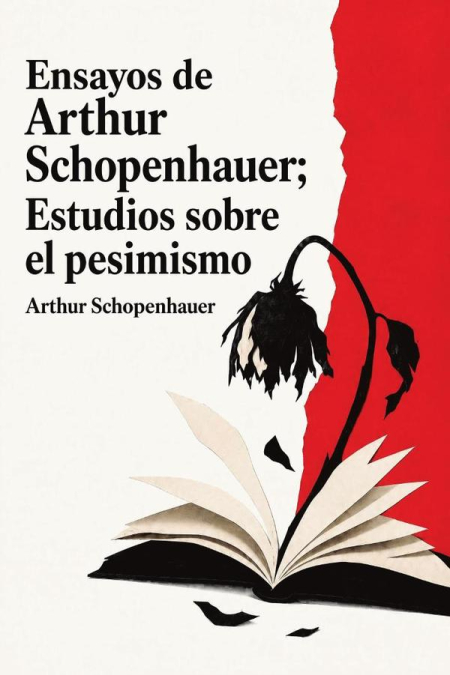
  • Ensayos de Arthur Schopenhauer; Estudios sobre el pesimismo: Letra Grande
    Arthur Schopenhauer
    ¿Y si la búsqueda de la felicidad nos mantuviera insatisfechos? Schopenhauer invita a mirar más allá de las promesas reconfortantes y examinar los deseos que impulsan la vida cotidiana.En Ensayos de Arthur Schopenhauer; Estudios sobre el pesimismo, Arthur Schopenhauer aplica su inteligencia implacable al sufrimiento, la naturaleza humana y las expectativas que depositamos en el...
    Disponible

    20,75 €

  • Utilitarismo: Letra Grande
    John Stuart Mill
    ¿Puede la felicidad ofrecer una base sólida para la moral? John Stuart Mill se toma en serio esa pregunta y la pone a prueba frente a las exigencias del deber, la dignidad humana y la justicia.En Utilitarismo, Mill defiende el principio de la mayor felicidad: las acciones son correctas en la medida en que tienden a promover la felicidad, e incorrectas en la medida en que produc...
    Disponible

    20,75 €

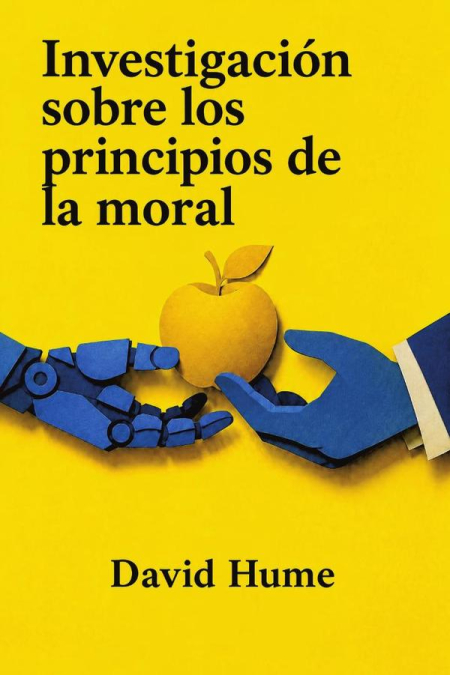
  • Investigación sobre los principios de la moral
    David Hume
    ¿Qué hace que una acción merezca elogio: la razón, los sentimientos o sus efectos en los demás? David Hume sitúa los sentimientos humanos en el centro de la vida moral.En Investigación sobre los principios de la moral, Hume examina las cualidades que admiramos en nosotros mismos y en los demás. Su planteamiento gira en torno a la benevolencia, la justicia, la simpatía y la util...
    Disponible

    20,75 €

  • Investigación sobre los principios de la moral: Letra Grande
    David Hume
    ¿Qué hace que una acción merezca elogio: la razón, los sentimientos o sus efectos en los demás? David Hume sitúa los sentimientos humanos en el centro de la vida moral.En Investigación sobre los principios de la moral, Hume examina las cualidades que admiramos en nosotros mismos y en los demás. Su planteamiento gira en torno a la benevolencia, la justicia, la simpatía y la util...
    Disponible

    20,75 €

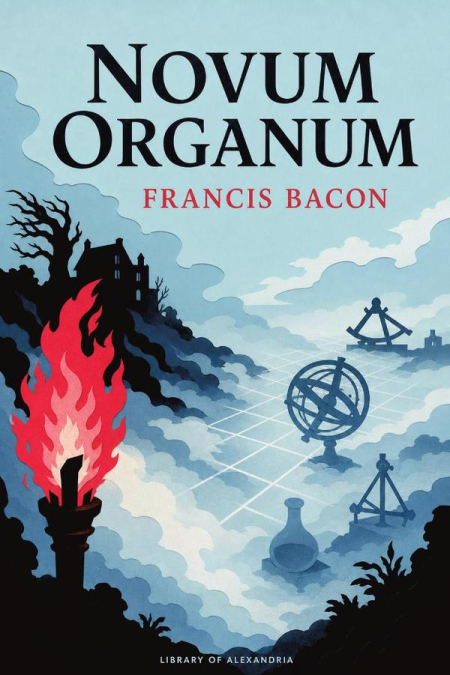
  • Novum Organum
    Francis Bacon
    ¿Qué se interpone entre nosotros y el conocimiento confiable? Francis Bacon sostiene que los obstáculos no están solo en el mundo que estudiamos, sino también en los hábitos de nuestra propia mente.Publicado en 1620, Novum Organum propone un nuevo método para investigar la naturaleza. Frente a la dependencia de la autoridad heredada y las generalizaciones prematuras, Bacon abog...
    Disponible

    27,37 €

  • Más allá del bien y del mal
    Friedrich Nietzsche
    ¿Y si nuestras convicciones más preciadas revelaran más sobre nuestras necesidades que sobre la verdad? Nietzsche invita a cuestionar no solo nuestras respuestas, sino también los valores que sustentan nuestras preguntas.Publicada por primera vez en 1886, Más allá del bien y del mal apunta contra los supuestos de la filosofía occidental, la moral cristiana y la cultura europea ...
    Disponible

    27,37 €

  • Más allá del bien y del mal: Letra Grande
    Friedrich Nietzsche
    ¿Y si nuestras convicciones más preciadas revelaran más sobre nuestras necesidades que sobre la verdad? Nietzsche invita a cuestionar no solo nuestras respuestas, sino también los valores que sustentan nuestras preguntas.Publicada por primera vez en 1886, Más allá del bien y del mal apunta contra los supuestos de la filosofía occidental, la moral cristiana y la cultura europea ...
    Disponible

    27,39 €

  • Diálogos sobre la religión natural
    David Hume
    ¿Apunta un universo ordenado a un diseñador divino, y qué nos dice su sufrimiento? Tres voces contrastantes ponen a prueba las afirmaciones de la fe y la razón.En Diálogos sobre la religión natural, David Hume explora si la observación y la argumentación pueden establecer la existencia y la naturaleza de Dios. Cleantes defiende la creencia mediante las pruebas del diseño en el ...
    Disponible

    20,75 €

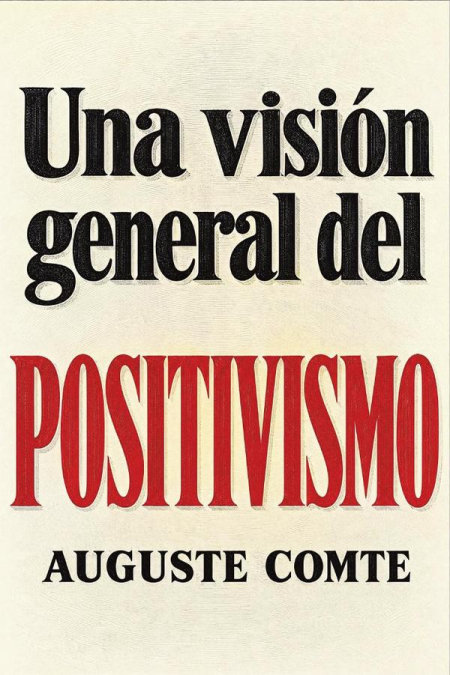
  • Una visión general del positivismo
    Auguste Comte
    ¿Puede el conocimiento científico unir a una sociedad y, a la vez, explicar el mundo? Auguste Comte se pregunta qué significa el progreso cuando el intelecto, los sentimientos y la responsabilidad moral deben avanzar juntos.En Exposición general del positivismo, el filósofo francés y pionero de la sociología presenta una visión de renovación social basada en el estudio de la hu...
    Disponible

    27,37 €

  • Así habló Zaratustra: un libro para todos y para nadie
    Friedrich Nietzsche
    ¿Qué ocurre cuando las creencias heredadas ya no nos dicen cómo vivir? Nietzsche convierte esa pregunta en un viaje poético por los peligros y las posibilidades de crear nuestros propios valores.En Así habló Zaratustra: un libro para todos y para nadie, el profeta solitario Zaratustra abandona su retiro en la montaña para hablar a la humanidad. Sus enseñanzas cuestionan la mora...
    Disponible

    27,39 €

  • Así habló Zaratustra: un libro para todos y para nadie: Letra Grande
    Friedrich Nietzsche
    ¿Qué ocurre cuando las creencias heredadas ya no nos dicen cómo vivir? Nietzsche convierte esa pregunta en un viaje poético por los peligros y las posibilidades de crear nuestros propios valores.En Así habló Zaratustra: un libro para todos y para nadie, el profeta solitario Zaratustra abandona su retiro en la montaña para hablar a la humanidad. Sus enseñanzas cuestionan la mora...
    Disponible

    27,39 €

  • Thus Spake Zarathustra: A Book for All and None
    Friedrich Wilhelm Nietzsche
    What happens when inherited beliefs no longer tell us how to live? Nietzsche turns that question into a poetic journey through the dangers and possibilities of creating our own values.In Thus Spake Zarathustra: A Book for All and None, the solitary prophet Zarathustra leaves his mountain retreat to speak to humanity. His teachings challenge conventional morality, religious auth...
    Disponible

    27,39 €

  • Thus Spake Zarathustra: A Book for All and None: Large Print
    Friedrich Wilhelm Nietzsche
    What happens when inherited beliefs no longer tell us how to live? Nietzsche turns that question into a poetic journey through the dangers and possibilities of creating our own values.In Thus Spake Zarathustra: A Book for All and None, the solitary prophet Zarathustra leaves his mountain retreat to speak to humanity. His teachings challenge conventional morality, religious auth...
    Disponible

    27,47 €

  • Beyond Good and Evil
    Friedrich Wilhelm Nietzsche
    What if our most cherished convictions reveal more about our needs than about the truth? Nietzsche challenges readers to question not only their answers, but the values behind their questions.First published in 1886, Beyond Good and Evil takes aim at the assumptions of Western philosophy, Christian morality, and modern European culture. Friedrich Nietzsche asks whether philosop...
    Disponible

    27,39 €

  • Beyond Good and Evil: Large Print
    Friedrich Wilhelm Nietzsche
    What if our most cherished convictions reveal more about our needs than about the truth? Nietzsche challenges readers to question not only their answers, but the values behind their questions.First published in 1886, Beyond Good and Evil takes aim at the assumptions of Western philosophy, Christian morality, and modern European culture. Friedrich Nietzsche asks whether philosop...
    Disponible

    27,39 €

  • Discourse on the Method
    René Descartes
    What can you know for certain when everything you have learned is open to question? Descartes makes that unsettling question the starting point for a new approach to knowledge.First published in 1637, Discourse on the Method combines intellectual autobiography with a bold account of how to reason well. Reflecting on his education and search for reliable knowledge, René Descarte...
    Disponible

    20,77 €

  • Discourse on the Method: Large Print
    René Descartes
    What can you know for certain when everything you have learned is open to question? Descartes makes that unsettling question the starting point for a new approach to knowledge.First published in 1637, Discourse on the Method combines intellectual autobiography with a bold account of how to reason well. Reflecting on his education and search for reliable knowledge, René Descarte...
    Disponible

    20,77 €

  • The Dawn of Day: Large Print
    Friedrich Wilhelm Nietzsche
    What if our deepest moral convictions have a history rather than an unquestionable authority? Nietzsche asks us to look beneath what we call good and discover the habits, fears, and desires that sustain it.First published in 1881, The Dawn of Day explores morality through a sequence of philosophical aphorisms. Rather than build a single, orderly system, Friedrich Nietzsche appr...
    Disponible

    27,39 €

  • The Advancement of Learning
    Francis Bacon
    What keeps knowledge from growing: a lack of answers, or a reluctance to question what we already believe?Published in 1605, Francis Bacon’s The Advancement of Learning makes a searching case for the value of knowledge and the need to reform its pursuit. Addressed to King James I, the work defends learning against its detractors while examining the habits that hold it back: exc...
    Disponible

    27,39 €

  • Kant’s Prolegomena to Any Future Metaphysics
    Immanuel Kant
    What can we truly know—and what do we merely suppose? Kant turns that question into a searching inquiry into the powers and limits of human reason.Published in 1783, Kant’s Prolegomena to Any Future Metaphysics offers a shorter approach to the central questions of Critique of Pure Reason. Rather than simply asking what reality is, Kant asks how knowledge of it becomes possible....
    Disponible

    27,39 €

  • Kant’s Prolegomena to Any Future Metaphysics: Large Print
    Immanuel Kant
    What can we truly know—and what do we merely suppose? Kant turns that question into a searching inquiry into the powers and limits of human reason.Published in 1783, Kant’s Prolegomena to Any Future Metaphysics offers a shorter approach to the central questions of Critique of Pure Reason. Rather than simply asking what reality is, Kant asks how knowledge of it becomes possible....
    Disponible

    27,39 €

  • The Philosophy of Auguste Comte
    Lucien Lévy-Bruhl
    Can society be understood through scientific laws—and can those laws tell us how to live?In The Philosophy of Auguste Comte, Lucien Lévy-Bruhl examines the thinker who gave positivism its systematic form and helped establish sociology as a distinct field of inquiry. At the heart of Comte’s project is a bold proposition: human society, like the natural world, can be studied thro...
    Disponible

    27,39 €


01 02 03