Utilitarismo: Letra Grande

Utilitarismo: Letra Grande

John Stuart Mill

20,75 €
IVA incluido
Disponible
Editorial:
Muze Publications
Año de edición:
2026
Materia
Ética y filosofía moral
ISBN:
9781806985913
20,75 €
IVA incluido
Disponible
Añadir a favoritos

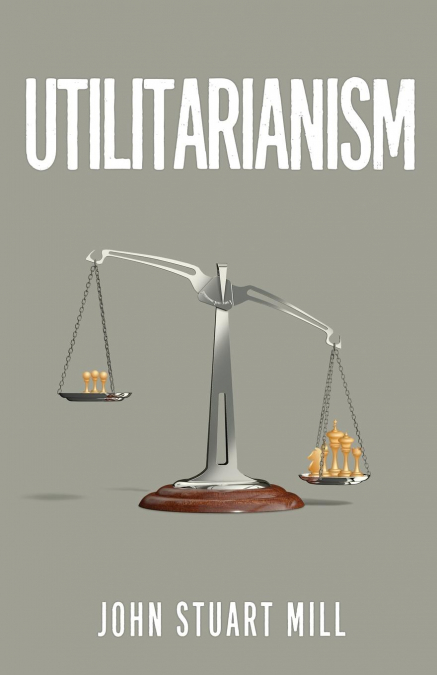
¿Puede la felicidad ofrecer una base sólida para la moral? John Stuart Mill se toma en serio esa pregunta y la pone a prueba frente a las exigencias del deber, la dignidad humana y la justicia.En Utilitarismo, Mill defiende el principio de la mayor felicidad: las acciones son correctas en la medida en que tienden a promover la felicidad, e incorrectas en la medida en que producen lo contrario. Sin embargo, en su planteamiento, la felicidad no consiste simplemente en sumar sensaciones agradables. Su distinción entre placeres superiores e inferiores da un lugar central a la vida intelectual y moral.Publicado por primera vez en el siglo XIX, este influyente ensayo aborda objeciones que aún hoy nos resultan familiares. ¿Es una moral basada en la felicidad meramente egoísta? ¿Qué impulsa a las personas a preocuparse por los demás? ¿Puede la preocupación por el bienestar general respetar los derechos individuales? Mill pasa del significado del placer a los fundamentos de la obligación moral y culmina con un examen detallado de la justicia. Su atractivo perdurable reside en su voluntad de vincular principios abstractos con el bienestar de personas reales.Lo que encontrará el lector:El principio de la mayor felicidad — Mill explica por qué la felicidad y la prevención del sufrimiento deben guiar el juicio moral.Placeres superiores e inferiores — Su planteamiento considera tanto la calidad como la cantidad del disfrute humano.Objeciones y respuestas — El ensayo responde a las críticas de la ética basada en el placer y a las exigencias prácticas de la acción moral.Conciencia y obligación — Mill explora los sentimientos y los vínculos sociales que sustentan la preocupación por los demás.Justicia y derechos — La discusión final examina cómo se relacionan la equidad, la seguridad y los derechos con el bien general.Para quienes se acercan a la filosofía moral, estudiantes que consideran distintas teorías éticas y cualquiera que se interese por la relación entre las decisiones personales y el bienestar colectivo, este libro ofrece un encuentro enriquecedor con un argumento fundamental.Empiece por la pregunta central de Mill y considere qué significa hacer de la felicidad humana la medida de las acciones correctas.Edición en letra grande: texto de 16 puntos para una lectura cómoda. 10
Artículos relacionados

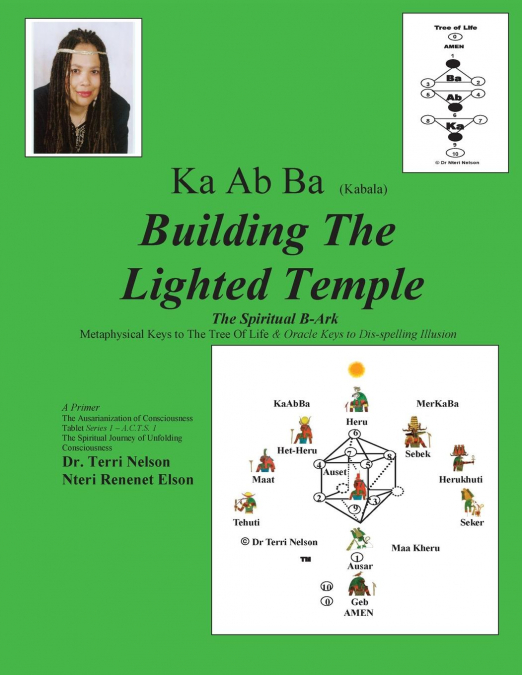
  • Ka Ab Ba Building The Lighted Temple
    Dr Terri R. Nelson / Dr Terri RNelson
    The book KaAbBa Building The Lighted Temple/Metaphysical Keys to the Tree of Life draws a circle that is inclusive of the Afrikan origin of the Ancient Kemetic/Egyptian wisdom. It reveals the undeniable root and link of Ancient Africa to all the religious systems that would develop worldwide. This book is explosive in its power to convey the meaning of KaAbBa, the Medu Neter  (...
    Disponible

    45,14 €

  • Technoethics and the Evolving Knowledge Society
    Rocci Luppicini
    Recently, there has been a major push to rediscover the ethical dimension of technology across the sciences, social sciences, and humanities. Technoethics and the Evolving Knowledge Society: Ethical Issues in Technological Design, Research, Development, and Innovation examines human processes and practices connected to technology embedded within social, political, and moral sph...
  • Kant
    Immanuel Kant
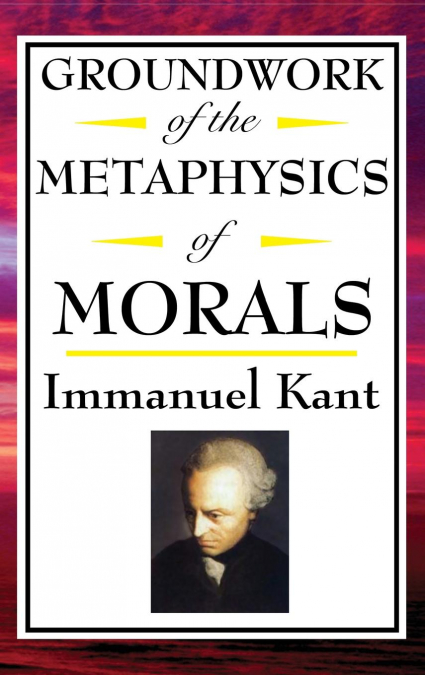
    Kant’s Groundwork of the Metaphysics of Morals is one of the most important works in modern moral philosophy. It belongs beside Plato, Aristotle, Machiavelli, and Hobbes. Here Kant sets out to articulate and defend the Categorical Imperative - the fundamental principle that underlies moral reasoning - and to lay the foundation for a comprehensive account of justice and human vi...
  • On the Duty of Civil Disobedience
    HENRY DAVID THOREAU
    Civil Disobedience argues that citizens should not permit their governments to overrule their consciences, and that they have a duty to avoid allowing their acquiescence to enable the government to make them the agents of injustice. Thoreau was motivated in part by his disgust with slavery and the Mexican-American War, but the sentiments he expresses here are just as pertinent ...
  • Beyond Good and Evil
    Friedrich Nietzsche
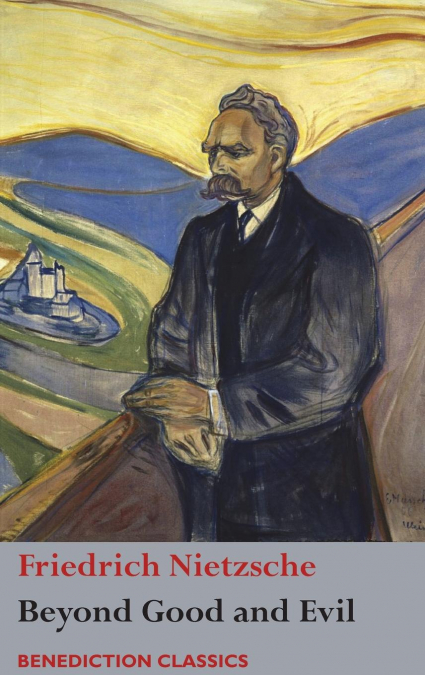
    Nietzsche, though primarily a philosopher, wrote widely on art, philology, history, religion, tragedy, culture, and science.  In 1886, at the height of his powers, he published Beyond Good and Evil.  Here he examines much of the best of human thought--dogmatic philosophy, Judeo-Christian morality, science and democracy – and finds it lacking.  Rejecting “slave-morality” he pres...
  • Beyond Good and Evil
    Friedrich Nietzsche
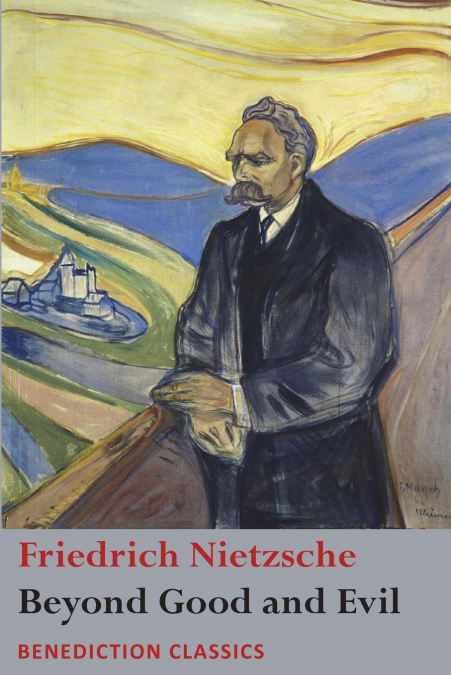
    Nietzsche, though primarily a philosopher, wrote widely on art, philology, history, religion, tragedy, culture, and science.  In 1886, at the height of his powers, he published Beyond Good and Evil.  Here he examines much of the best of human thought--dogmatic philosophy, Judeo-Christian morality, science and democracy – and finds it lacking.  Rejecting “slave-morality” he pres...
    Disponible

    10,94 €

Otros libros del autor

  • On Liberty
    John Stuart MILL
    The subject of this Essay is not the so-called Liberty of the Will, so unfortunately opposed to the misnamed doctrine of Philosophical Necessity; but Civil, or Social Liberty: the nature and limits of the power which can be legitimately exercised by society over the individual. A question seldom stated, and hardly ever discussed, in general terms, but which profoundly influence...
  • Utilitarianism
    John Stuart Mill
    In John Stuart Mill's classic restatement of the utilitarianism of Jeremy Bentham, he continued a philosophical perspective that continues to be appolied to this day. The 'principle of utility', otherwise known as 'the greatest happiness principle' has surfaced over and over again throughout history since then, and has often been the basis for important publ...
    Disponible

    12,21 €

  • Sobre la libertad: Letra Grande
    John Stuart Mill
    ¿Cuándo proteger a la sociedad se convierte en controlar al individuo? John Stuart Mill traza un límite que aún desafía nuestra manera de pensar sobre la libertad de expresión, las decisiones personales y el poder.Publicado por primera vez en 1859, Sobre la libertad es una obra fundamental de la filosofía política liberal. Mill se pregunta qué autoridad pueden ejercer legítimam...
    Disponible

    20,82 €

  • The Subjection of Women: Large Print
    John Stuart Mill
    Can a society call itself just while denying half its people equal rights? John Stuart Mill turns that question into a sustained challenge to inherited power.Published in 1869, The Subjection of Women argues that the legal and social inequality of women is wrong in principle and an obstacle to human improvement. Mill questions the belief that established gender roles reflect na...
    Disponible

    20,82 €

  • La submissió de les dones
    John Stuart Mill
    Pot una societat considerar-se justa mentre nega la igualtat de drets a la meitat de la seva població? John Stuart Mill converteix aquesta pregunta en un qüestionament sostingut del poder heretat.Publicat el 1869, La subjecció de les dones defensa que la desigualtat jurídica i social de les dones és injusta en principi i un obstacle per al progrés humà. Mill qüestiona la creenç...
    Disponible

    20,82 €

  • La submissió de les dones: Lletra gran
    John Stuart Mill
    Pot una societat considerar-se justa mentre nega la igualtat de drets a la meitat de la seva població? John Stuart Mill converteix aquesta pregunta en un qüestionament sostingut del poder heretat.Publicat el 1869, La subjecció de les dones defensa que la desigualtat jurídica i social de les dones és injusta en principi i un obstacle per al progrés humà. Mill qüestiona la creenç...
    Disponible

    20,82 €