David EP Dennis
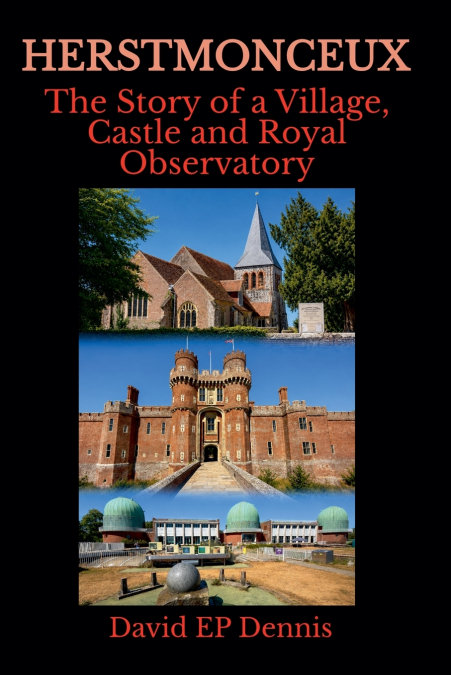
Herstmonceux - The Story of a Village, Castle and Royal ObservatoryFrom the medieval settlement of Herste grew a Sussex community dominated by one of England’s great brick castles and generations of remarkable owners. But the story of Herstmonceux extends far beyond its famous castle walls.This book traces the village and parish across nearly a thousand years, from medieval lordship and the Fiennes family to Gardner Street and the modern village of Herstmonceux. At its heart stands the extraordinary fifteenth-century castle built by Sir Roger Fiennes, a veteran of Henry V’s French campaigns and a man whose wealth and ambition transformed the Sussex landscape.Around the castle unfolded stories of wealth, power, rebellion and tragedy. Thomas Fiennes, Lord Dacre, went to the gallows after a disastrous night of poaching; James Fiennes, Lord Saye and Sele, was seized and killed during Jack Cade’s Rebellion; and the upheavals of 1450 continued into Sussex with the remarkable and often overlooked Merfold Revolt.Yet Herstmonceux is much more than the history of its lords. This is also the story of the people who lived and worked there: farmers, craftsmen, shopkeepers, publicans and trug-makers; of Gardner Street’s transformation into the village we know today; of the great windmill; and of the distinctive Sussex trug industry whose traditional craft survives at Herstmonceux.The twentieth century brought an astonishing transformation. The Royal Greenwich Observatory moved from London to the Herstmonceux estate, where its great telescope domes became part of the Sussex landscape and astronomers undertook internationally important scientific work. Medieval history returned to the castle in the form of many years of Jousting Festivals, loved by thousands of visitors. The castle subsequently entered another remarkable chapter through its association with Queen’s University in Canada, while the former Observatory continues its educational and scientific legacy.Herstmonceux has also produced people whose influence travelled far beyond the parish. Among them was the soprano Audrey Mildmay, born in Herstmonceux in 1900, who with her husband John Christie helped create the Glyndebourne Festival and one of Britain’s most celebrated operatic institutions.Drawing upon archival records, contemporary accounts, historical research and the surviving landscape, this book brings together the many strands of an exceptional Sussex story: castle and village, aristocrats and rebels, craftsmen and astronomers, tragedy, science, music and everyday life.Herstmonceux may be a Sussex village, but its history reaches far beyond Sussex.