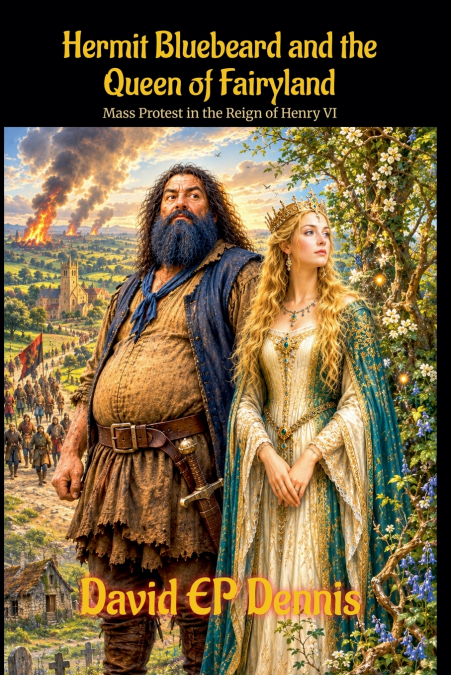
David EP Dennis
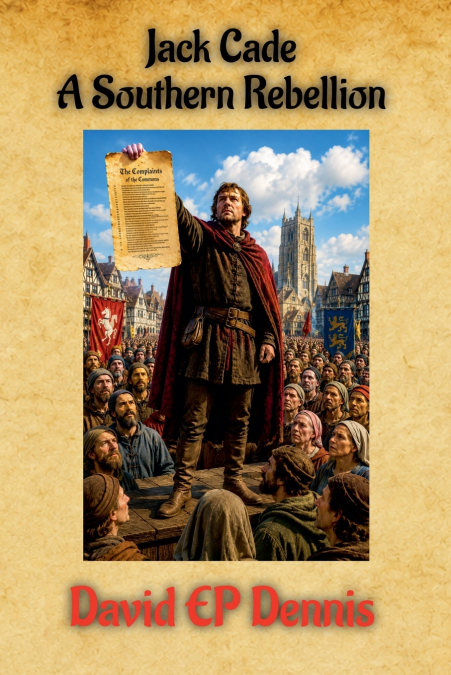
England in 1450 was approaching a crisis of government.The Black Death had transformed society. Labour had become scarce and valuable, yet attempts were repeatedly made to restrain wages and preserve older obligations. Taxation was resented. Officials were accused of corruption and extortion. England’s great military conquests in France were collapsing with astonishing speed, soldiers returned unpaid, and confidence in the government of the gentle but ineffective Henry VI was disappearing.Something dangerous was happening. People were beginning to ask whether those who claimed to govern the country were actually governing it for the common good. This book explores what happened next - and the extraordinary forms that resistance could take.In January 1450, months before the famous rebellion of Jack Cade, a mysterious figure named Thomas Cheyne emerged in southern England. He assumed the identity of Hermit Bluebeard. Around him appeared an extraordinary collection of rebel captains bearing names including the King of the Fairies, Queen of the Fairies and Robin Hood. Behind names that can initially seem comic or fantastic lay a deadly serious challenge to authority.These were not harmless games. The Crown regarded such gatherings as treason. Men were arrested, interrogated, executed, beheaded and quartered, and their remains were publicly displayed as warnings to others. Yet repression did not remove the grievances. Within months Jack Cade led a much greater uprising towards London. Rebels denounced corrupt officials and demanded reform while continuing to profess loyalty to the king. Some of the very men responsible for administering royal government became targets of popular vengeance. Even after Cade’s defeat, mysterious groups again appeared in the countryside, concealing their identities behind disguises, blackened faces and the strange claim that they were servants of the Queen of the Fairies.Hermit Bluebeard and the Queen of Fairyland therefore tells two stories. The first is the remarkable and largely forgotten story of popular rebellion in southern England immediately before, during and after Jack Cade’s rising of 1450. The second asks a much larger question about government itself.A functioning state exists partly because people surrender some of their freedom to it in return for order, security, justice and the protection of their communities. But what happens when government appears no longer to provide those things? At that point two opposing ideas of order can emerge. Government may regard resistance as a threat to the peace and use the law, imprisonment, military force, execution and public terror to restore obedience. Those resisting it may believe precisely the opposite: that corrupt government has itself damaged the proper order of society and that resistance is necessary to restore justice.The conflict is therefore no longer simply order against rebellion. It becomes a struggle between two groups, each claiming that it is defending the legitimate order against the other.Drawing upon contemporary chronicles, court proceedings, government records and modern historical research, David EP Dennis follows the story from the social upheaval created by the Black Death and the Peasants’ Revolt of 1381 through the political disasters of Henry VI’s reign to the extraordinary disturbances of 1450-51. What happens when a government loses the confidence of the people it governs - and decides that preserving itself is the same thing as preserving the state?