Edgar Wallace
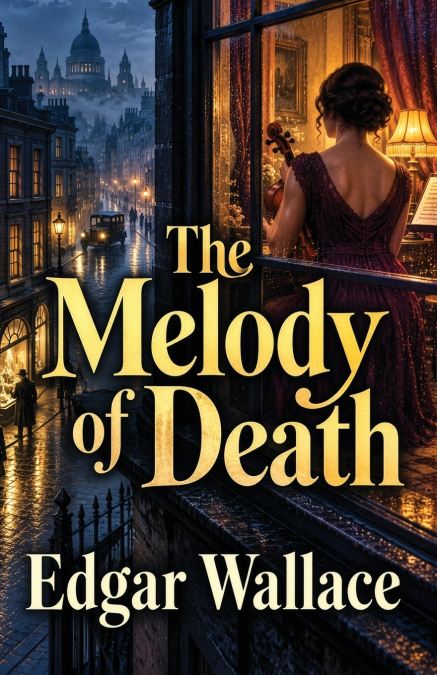
Two professional burglars are opening a diamond merchant’s safe when a masked stranger interrupts them. He carries a revolver, but he wants neither to arrest them nor to claim their stolen jewels. He wants to learn their trade.Elsewhere in London society, Gilbert Standerton is preparing to marry Edith Cathcart. The match promises financial security, but affection is less certain. Edith’s mother has expectations about Gilbert’s wealth, while Edith herself approaches the marriage without the love he hopes to receive. Beneath their outward respectability lie anxieties that neither money nor social position can settle.As daring robberies unsettle the city, Gilbert’s conduct becomes increasingly difficult to explain. He withdraws into private misery, leaves his wife alone, and reacts with extraordinary intensity to a particular piece of music. When a young violinist plays the 'Melody in F' outside their home, Edith begins asking questions. The musician’s account offers a clue, but its meaning remains elusive.Edgar Wallace brings professional safe-breakers, stolen diamonds, troubled courtship, and concealed motives into a crime story where domestic uncertainty is as important as the ingenuity of thieves. The opening burglary establishes a world of calculated risks and unexpected intrusions; the marriage plot raises a more intimate question of how well one person can know another.The melody running through the story gives its mystery a personal urgency. For Edith, understanding her husband means looking beyond what he tells her and following evidence whose significance she cannot yet grasp. Meanwhile, the robberies make secrecy a matter of criminal danger as well as private unhappiness.First published in 1915, The Melody of Death offers readers of classic British crime fiction a compact thriller of jewel theft, financial expectations, and a marriage shadowed by unexplained behavior. Its suspense rests on the connections between a masked visitor, an accomplished gang of thieves, and a tune that carries far more meaning than its listeners suspect.