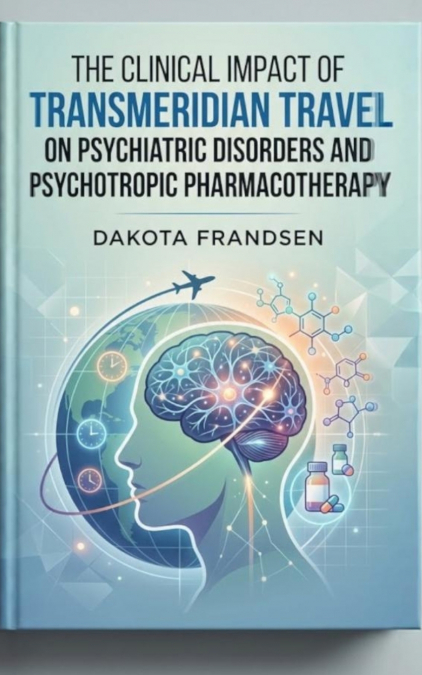
Dakota Frandsen
As global mobility reaches unprecedented levels, millions of individuals navigating transmeridian travel subject their physiological and psychological systems to profound environmental and biological stressors. For patients managing underlying mental health conditions-particularly mood disorders such as major depressive disorder, generalized anxiety disorder, and bipolar disorder-the rigors of travel extend far beyond simple physical fatigue. The Clinical Impact of Transmeridian Travel on Psychiatric Disorders and Psychotropic Pharmacotherapy offers a comprehensive, evidence-based examination of this complex clinical paradigm, serving as an essential resource for both clinicians and the patients they care for.This text systematically explores the multifaceted effects of travel on mental health. It begins by dissecting the chronobiological impact of transmeridian travel, explaining how the rapid desynchronization of the endogenous circadian pacemaker-commonly recognized as jet lag-acts as a potent trigger for acute psychiatric episodes. Readers will gain a deeper understanding of the Phase Response Curve, the specific vulnerabilities associated with eastward versus westward travel, and the profound destabilizing effect of 'social jetlag' on patients with eveningness chronotypes.Moving beyond chronobiology, the book provides critical guidance on the pharmacological challenges of international travel. Managing psychotropic regimens across borders introduces distinct pharmacokinetic and regulatory hurdles. From the complexities of maintaining steady-state plasma concentrations to the severe risks of Antidepressant Discontinuation Syndrome, the text offers actionable strategies for adjusting medication schedules. Furthermore, it addresses high-risk environmental interactions, such as the catastrophic potential for lithium toxicity in dehydrated travelers, the thermoregulatory failures associated with antipsychotic usage in extreme heat, and the life-threatening risks of hypertensive crises in patients on Monoamine Oxidase Inhibitors (MAOIs) navigating culinary tourism.The book also delves into the often-overlooked iatrogenic risks associated with travel medicine prophylaxis. It critically analyzes the neuropsychiatric toxicities linked to antimalarials like mefloquine and the suicidal ideation associated with certain antibiotic classes. Additionally, it tackles the logistical and legal landscape of international transit, providing a clear roadmap for managing controlled substances through foreign border controls, avoiding incarceration, and mitigating the financial risks of psychiatric emergencies through specialized insurance coverage.Whether you are a medical professional seeking to advise vulnerable patients or an international traveler looking to preserve your psychological integrity on the road, this book is an indispensable guide. It bridges the gap between travel medicine and psychiatry, offering the rigorous, evidence-based planning necessary to transform a potentially hazardous journey into a safe and manageable experience.