Edgar Allan Poe
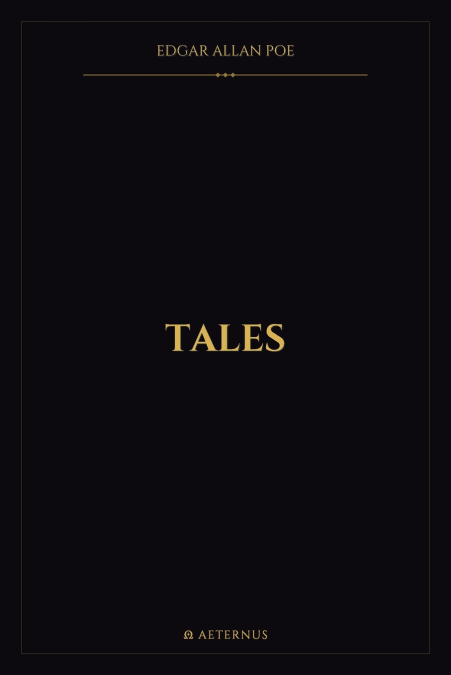
Complete text of the first edition of 1845, word for wordAll twelve Tales, from The Gold-Bug to The Man of the CrowdAbout the Author and Publisher’s NoteAfterword: The Architecture of the UnknownEditorial Note: The 1845 TextThere are mysteries which the keenest intellect may unravel, and others which lie buried so deeply within the human soul that reason itself recoils before them.In these twelve extraordinary tales, Edgar Allan Poe leads the reader from the shadowed chambers of a decaying ancestral mansion to the crowded streets of Paris, from the lonely shores of an island haunted by rumors of buried treasure to the terrible waters of the Norwegian Maelström. Murder, obsession, hidden manuscripts, secret ciphers and the mysteries of existence beyond death become the instruments of an imagination whose powers of invention and psychological penetration transformed the literature of the nineteenth century.Here the incomparable C. Auguste Dupin brings the resources of analytical genius to bear upon crimes that have defeated the authorities. Elsewhere, the darkest impulses of the human heart emerge beneath the outward appearances of ordinary life, while ancient houses, strange confessions and visionary encounters open passages into regions where the boundaries of knowledge and terror become uncertain.Published by Wiley & Putnam in New York in 1845, Tales united twelve of Poe’s most remarkable prose works, including The Gold-Bug, The Black Cat, The Fall of the House of Usher, A Descent into the Maelström and the complete original trilogy of Dupin mysteries.Within these pages stand the foundations of modern detective fiction, some of the supreme achievements of Gothic literature, and a body of imaginative writing whose influence would extend through the works of Arthur Conan Doyle, Robert Louis Stevenson and generations of masters of the mysterious and the macabre.This AETERNUS edition restores the original twelve-tale collection of 1845, preserving the historical arrangement through which Poe’s contemporaries encountered one of the most singular literary minds of the American nineteenth century.'One of the most original and peculiar ever published in the United States.' - The American Review, September 1845