墨子连山
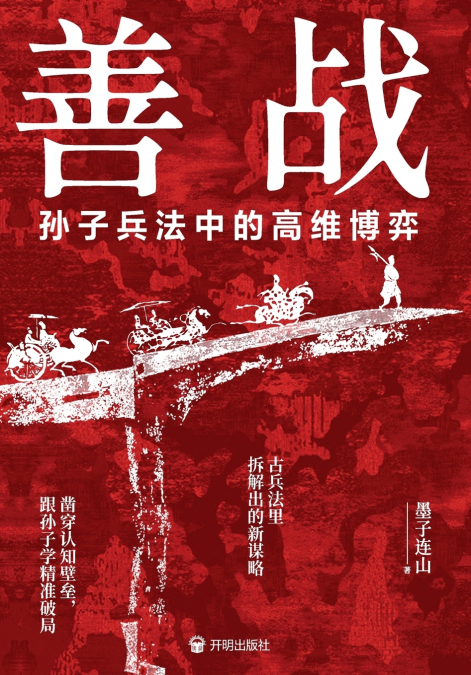
Where there is competition and rivalry, there is the strategic game of 'debate victory or defeat.'只要存在竞争与较量,就有'论战胜负'的思维博弈From strategic planning to military deployment, from business management to balanced competition, The Art of War-a classic that has endured for over 2,500 years and traveled from China to the world-has long transcended the realm of warfare, becoming an eternal guide in all fields of contention. Wherever there is rivalry and contest, there lies the sharp strategic thinking of 'determining victory or defeat through discourse.'This book breaks away from the traditional approach of interpreting the text line by line, delving directly into the 'realities of war' behind its strategic doctrines. Did ancient soldiers truly storm city walls by scaling them with their bare hands? Why was the offense of privately possessing armor considered more severe than hoarding weapons? Why did strategists often present 'superior, medium, and inferior' plans? Was it truly necessary for Zhao Kuo to lead the troops in the Battle of Changping?By reconstructing the original meaning of the text through detailed military insights, this work reveals the hidden dynamics of strategy in classic battles and skillfully extends the wisdom of The Art of War to practical applications in modern business management. With a fresh perspective that brings new brilliance to the classic, this book aims to enrich readers’ knowledge while expanding their understanding-to grasp the principles of management through military strategy and learn the methods of victory through the art of discourse.从战略谋划到军事部署,从商业管理到平衡博弈,作为一部流传2500多年,从中国走向世界的经典,《孙子兵法》早已超越了战争本身,成为博弈场上的永恒指南。只要存在竞争与较量,就有'论战胜负'的思维锋芒。本书打破逐字逐句讲兵法的解读传统,直击兵学攻略背后的'战争实况'。古代士兵攻城,真的是靠肉身爬城墙吗?为什么私藏铠甲的罪名,竟比私藏兵器更重?谋士献策,为何都爱提'上中下'三策?长平之战,非得要赵括领兵吗?既通过军事细节还原兵法原意,又带你看到经典战役后隐藏的博弈,巧妙引申出兵法智慧在现代企业管理中的实战应用。新视角讲出新精彩,愿所有翻开本书的读者,涨知识的同时扩认知--在兵法中悟管理之道,在论战中学致胜之法。