Grammars of Power

Grammars of Power

Agustin V. Startari

17,80 €
IVA incluido
Disponible
Editorial:
MAAT
Año de edición:
2026
Materia
Lingüística histórica y comparada
ISBN:
9798235873810
17,80 €
IVA incluido
Disponible
Añadir a favoritos

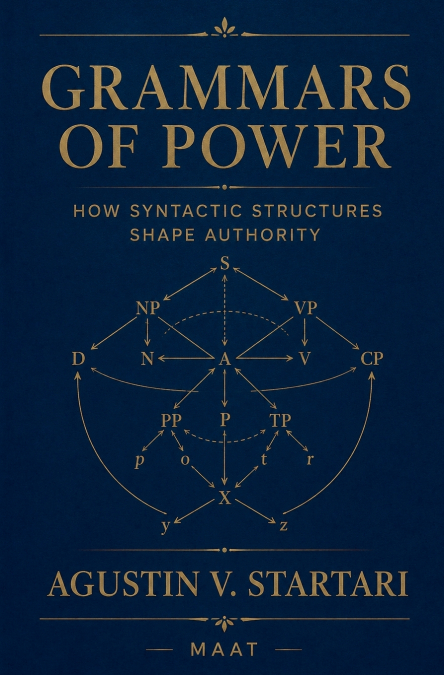
In a world where power is exercised through both weapons and words, Grammars of Power: How Syntactic Structures Shape Authority offers an unprecedented investigation into the relationship between the form of language and the exercise of domination. Spanning ecclesiastical, political, legal, and totalitarian discourse, this work demonstrates how grammatical choices-such as the use of passives, impersonal constructions, subordinate clauses, or deontic statements-are never neutral: they shape the perception of reality, obscure agents of power, and reinforce symbolic hierarchies.From papal bulls to court rulings, from imperial proclamations to Nazi and Stalinist rhetoric, the book reveals that syntax is a political technology as sophisticated as any system of physical control. Supported by tools from discourse analysis, formal logic, computational linguistics, and historical corpora, Grammars of Power offers a new critical perspective on the invisible mechanisms that regulate thought through language.Combining theoretical clarity with academic rigor, this work not only examines the past, but also provides tools for interpreting the language of contemporary power-from algorithms to state discourse-at a time when words have once again become a battleground.Work Papers is a publication series that brings together independent research on power, ideology, legitimacy, and history from a transversal and interdisciplinary perspective. Each volume stands as an autonomous work, while contributing to a common thread: the critical analysis of how power is structured, exercised, and sustained over time.From Ancient Egypt to the totalitarian regimes of the twentieth century, from medieval theology to contemporary algorithms, this series explores the historical, linguistic, technological, and symbolic mechanisms that shape our societies. Power is understood here as a deep structure that traverses institutions, languages, myths, technologies, and bodies.Each volume is numbered according to its place in this evolving series. Working Papers thus offers an intellectual architecture through which the reader can explore various forms of domination and resistance-from the most visible to the most invisible.
Artículos relacionados

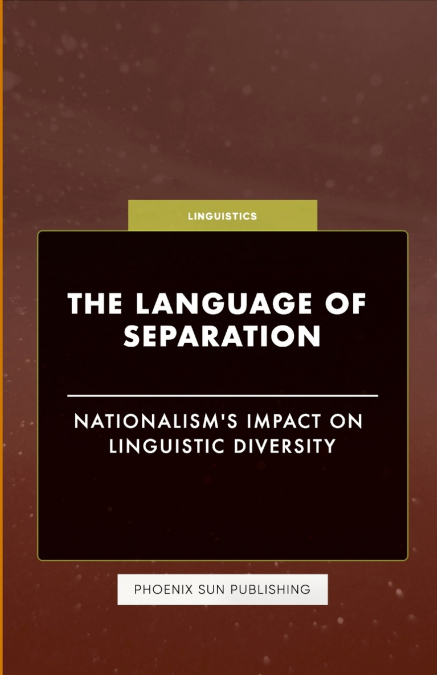
  • The Language of Separation - Nationalism’s Impact on Linguistic Diversity
    PS Publishing
    'The Language of Separation' delves into the intricate relationship between nationalism and linguistic diversity. Exploring the impact of nationalist ideologies on language policies and practices, this book examines how notions of nationhood influence linguistic identity and representation. Through compelling analysis , it sheds light on the complexities of language politics an...
    Disponible

    14,22 €

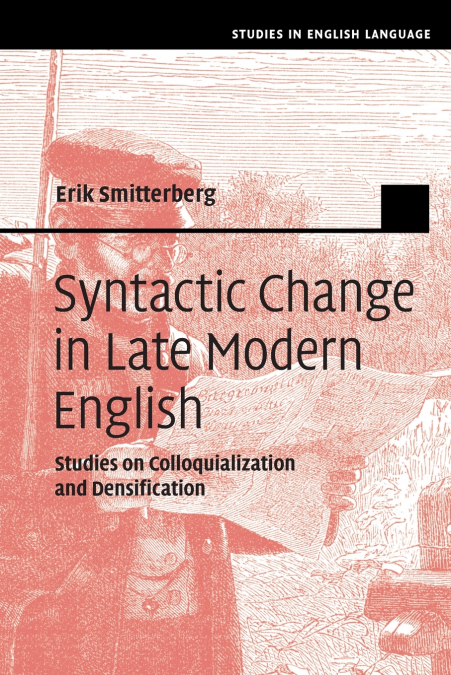
  • Syntactic Change in Late Modern English
    Erik Smitterberg
    ...
    Disponible

    40,57 €

  • Third Factors in Language Variation and Change
    Elly Van Gelderen
    ...
    Disponible

    37,04 €

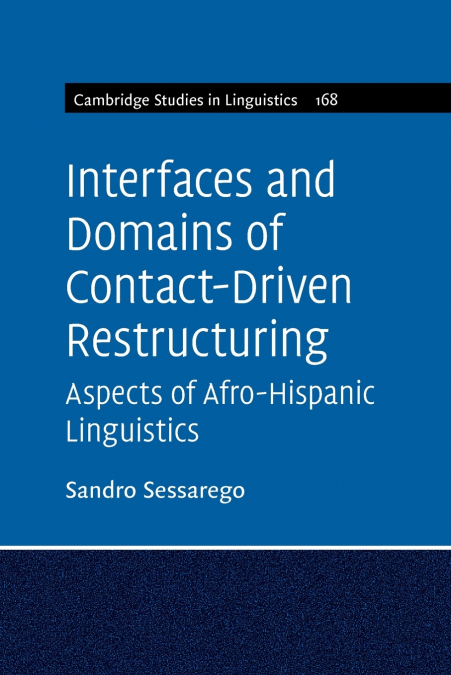
  • Interfaces and Domains of Contact-Driven Restructuring
    Sandro Sessarego
    ...
    Disponible

    37,27 €

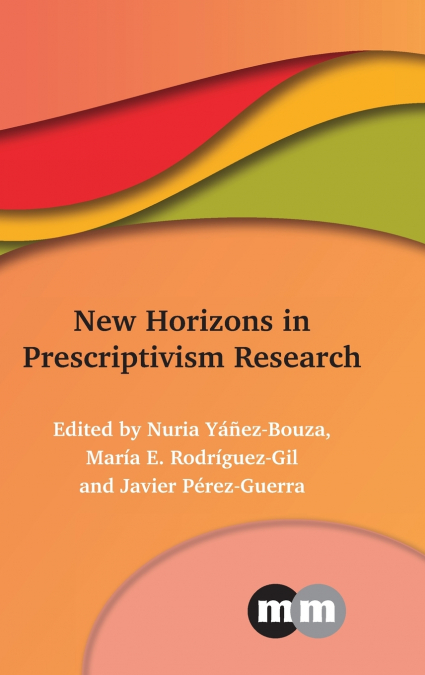
  • New Horizons in Prescriptivism Research
    This book investigates the connections between evaluative judgements on language and the larger social, cultural, and political issues that shed light on the practice of prescriptivism. The chapters cover three main areas: language, which represents the traditional roots of the study of linguistic norms in authoritative (historical) manuals and judgemental attitudes to language...
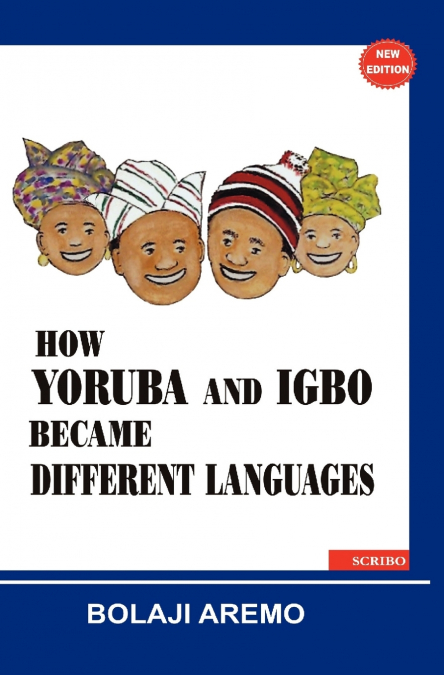
  • How Yoruba and Igbo Became Different Languages
    Bolaji Aremo
    The main objective of this study is to identify examples of genetically related Igbo and Yoruba words that might serve as further evidence in support of some linguists’ claim that the two languages developed from the same parent language. The author is a retired head of the Department of English at Obafemi Awolowo University, Nigeria. ...
    Disponible

    53,75 €

Otros libros del autor

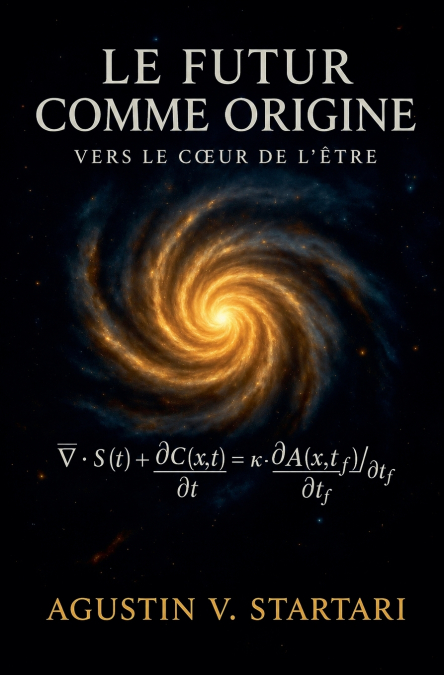
  • Le Futur comme origine
    Agustin V. Startari
    Et si le futur n’était pas la conséquence du passé, mais la force qui organise déjà le présent ?Depuis des siècles, la physique décrit l’univers comme une réalité évoluant à partir de conditions initiales. Mais cette conception de la causalité suffit-elle à expliquer la structure profonde du cosmos ?Dans Le Futur comme origine : Vers le cœur de l’être, Agustin V. Startari propo...
  • Le haut Moyen Âge
    Agustin V. Startari
    Comment les sociétés du haut Moyen Âge ont-elles raconté leur passé, et dans quel but ?Entre le Ve et le XIe siècle, l’écriture de l’histoire dans l’Occident latin connaît de profondes transformations. Les traditions héritées de Rome sont réorganisées au sein des Églises, des royaumes et des monastères. La providence devient un principe majeur d’interprétation, sans pour autant...
  • Façonner le Moyen Âge
    Agustin V. Startari
    Comment le monde romain a-t-il donné naissance à l’Europe médiévale ?Entre 280 et l’an 1000, l’espace méditerranéen et européen connaît de profondes transformations. L’autorité impériale se fragmente en Occident, de nouveaux royaumes apparaissent, le christianisme redéfinit les institutions et les formes de légitimité, tandis que Byzance et l’expansion de l’islam modifient dura...
  • Ukraine et Russie
    Agustin V. Startari
    Pourquoi la relation entre l’Ukraine et la Russie a-t-elle basculé dans la plus grande guerre interétatique en Europe depuis 1945 ?Agustin V. Startari reconstitue plus d’un siècle d’histoire : la chute du tsarisme, l’Holodomor, l’effondrement de l’URSS, la révolution orange, le Maïdan, la Crimée, le Donbas et l’invasion à grande échelle de 2022. Il ne retient aucune explication...
  • Hérésies essentielles
    Agustin V. Startari
    QU’EST-CE QUI SÉPARE la foi de l’hérésie ? Et qui détient le pouvoir de tracer la frontière ?Gnostiques, marcionites, montanistes, ariens, nestoriens, donatistes : l’histoire a retenu leurs noms comme ceux de vaincus. Pourtant, sans eux, l’Église telle que nous la connaissons n’existerait pas.Des premières communautés de disciples de Jésus aux conciles de Nicée, d’Éphèse et de ...
  • Grégoire X
    Agustin V. Startari
    Trente-trois mois sans pape. Des cardinaux enfermés à Viterbe, rationnés par les habitants, incapables de s’accorder. En 1271, l’impasse se dénoue enfin : le collège désigne un homme qui n’est même pas cardinal et qui se trouve alors à Acre, en Terre sainte. Teobaldo Visconti devient Grégoire X.En moins de cinq ans, ce pape inattendu transforme les règles du jeu. Par la constit...